

Influenza, commonly called the flu, is more than just a bad cold. It’s a contagious viral infection that can affect people of all ages, especially during flu season. While many flu symptoms are similar in adults and children, the way the illness shows up—and how serious it can become—often differs by age.
This complete guide breaks down influenza symptoms in adults and children, explains how the flu progresses, and helps you understand when it’s time to seek medical help.
What Is Influenza?
Influenza is a respiratory illness caused by influenza viruses (Type A, B, and sometimes C). It spreads easily through coughing, sneezing, talking, or touching contaminated surfaces.
Unlike the common cold, flu symptoms usually:
- Appear suddenly
- Feel more intense
- Affect the entire body, not just the nose or throat
Common Influenza Symptoms (All Ages)
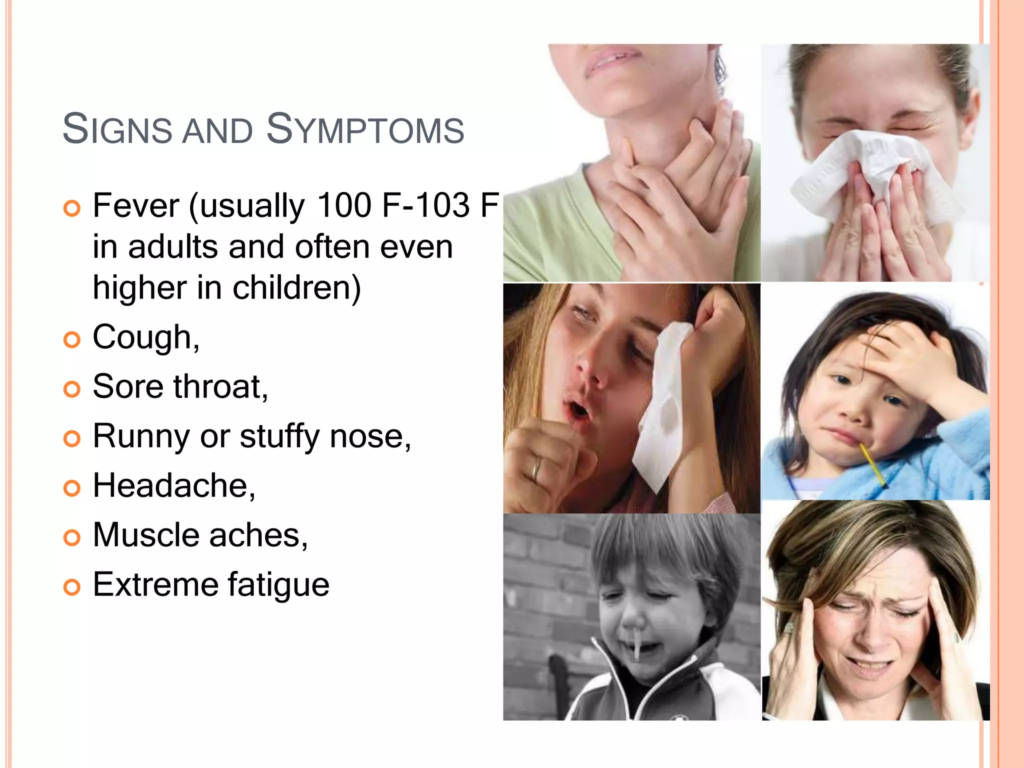
Some symptoms are seen in both adults and children:
- Sudden high fever (often 38–40°C / 100–104°F)
- Chills and shivering
- Headache
- Body aches and muscle pain
- Extreme tiredness or weakness
- Dry or persistent cough
- Sore throat
- Runny or blocked nose
- Loss of appetite
However, the severity and combination of symptoms can vary widely.
Influenza Symptoms in Adults

Adults often describe the flu as feeling like they’ve been “hit by a truck.” Symptoms usually start abruptly and can be intense.
Most Common Adult Flu Symptoms
- High fever with chills and sweating
- Severe body and muscle aches, especially in the back and legs
- Strong headache, sometimes with light sensitivity
- Dry, hacking cough that worsens at night
- Chest discomfort
- Extreme fatigue, lasting even after fever goes away
Less Common but Notable Symptoms
- Dizziness
- Mild nausea
- Shortness of breath (especially in older adults)
- Worsening of existing conditions like asthma or diabetes
Adults may try to “push through” flu symptoms, but rest is essential for recovery.
Influenza Symptoms in Children
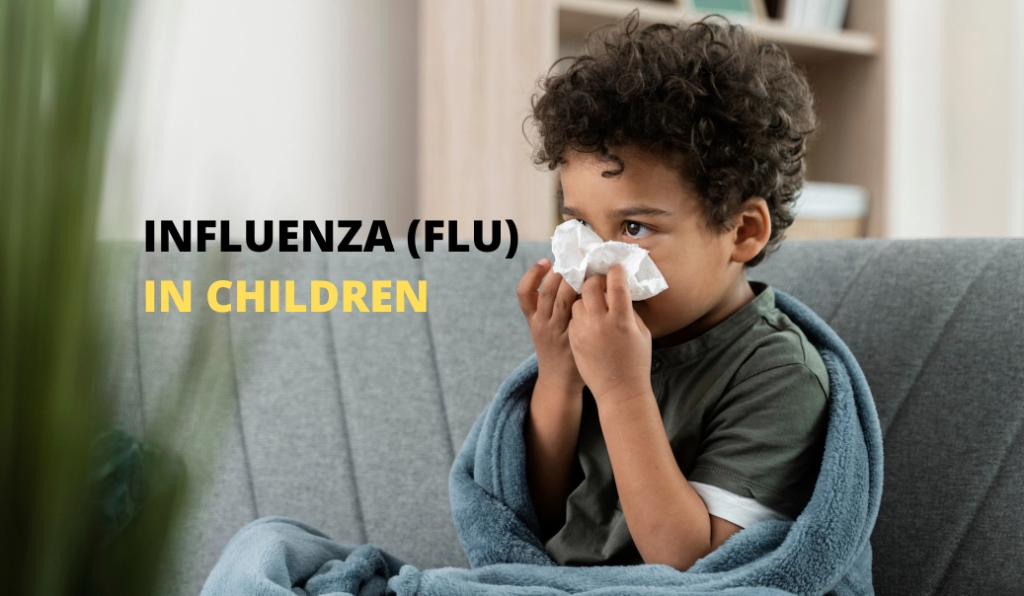
Children often experience stronger and more varied symptoms than adults, especially younger kids.
Common Flu Symptoms in Children
- High fever, sometimes lasting longer than in adults
- Persistent cough
- Runny nose or congestion
- Sore throat
- Fatigue and weakness
- Loss of appetite
Digestive Symptoms (More Common in Children)
- Nausea
- Vomiting
- Diarrhoea
- Stomach pain
Behavioural Signs in Children
- Irritability or unusual crying
- Sleepiness or lack of energy
- Refusing food or drinks
- Difficulty concentrating or confusion (in severe cases)
Infants may not show typical flu signs. Look for fever, poor feeding, fast breathing, or unusual sleepiness.
Flu Symptoms by Stage
1. Early Stage (Day 1–2)
- Sudden fever
- Headache
- Muscle pain
- Chills
- Fatigue
2. Peak Stage (Day 3–5)
- Strong cough
- Sore throat
- Severe tiredness
- Ongoing fever
3. Recovery Stage (Day 6–10)
- Fever improves
- Cough and weakness may linger
- Energy slowly returns
Some people feel tired for 2–3 weeks, especially adults and teens.
Influenza vs Common Cold (Quick Comparison)
| Feature | Influenza | Common Cold |
|---|---|---|
| Onset | Sudden | Gradual |
| Fever | High | Rare or mild |
| Body aches | Severe | Mild |
| Fatigue | Extreme | Mild |
| Cough | Common & dry | Mild |
When to See a Doctor

Seek medical help immediately if you notice:
- Breathing difficulty or chest pain
- Fever lasting more than 3–4 days
- Severe dehydration
- Bluish lips or skin
- Confusion or unresponsiveness
- Seizures (especially in children)
- Symptoms improving, then suddenly getting worse
High-risk groups include:
- Children under 5
- Adults over 65
- Pregnant women
- People with chronic illnesses or weak immunity
How to Manage Flu Symptoms at Home
- Rest as much as possible
- Drink plenty of fluids
- Use fever reducers (as advised by a doctor)
- Keep the room warm and ventilated
- Avoid spreading infection—stay home
Antibiotics do not work against influenza.
Preventing Influenza
- Get the annual flu vaccine
- Wash hands frequently
- Cover mouth while coughing or sneezing
- Avoid close contact with infected people
- Clean frequently touched surfaces
Final Thoughts
Influenza symptoms in adults and children may look similar on the surface, but their impact can be very different. Understanding these differences helps you respond faster, protect vulnerable family members, and reduce complications.
The information provided in this article is for educational and informational purposes only and is not intended as a substitute for professional medical advice, diagnosis, or treatment. Always seek the guidance of a qualified doctor or healthcare provider with any questions you may have regarding a medical condition. Never ignore or delay seeking medical advice because of something you have read on this website. The author and publisher are not responsible for any health decisions made based on this content.
#Influenza #FluSymptoms #InfluenzaSymptoms #FluInAdults #FluInChildren #SeasonalFlu #HealthAwareness #RespiratoryHealth #ViralInfection #FluPrevention #PublicHealth #MedicalAwareness #Anslation #Carrerbook #ColdVsFlu #WellnessTips #StayHealthy
This article is intended for general informational purposes only. It does not provide medical advice and should not be relied upon as a substitute for consultation with a qualified healthcare professional. Always consult your doctor or medical provider regarding any health concerns, symptoms, or treatment options. The website and author are not responsible for any outcomes resulting from the use of this information.
#Influenza #Flu #FluSymptoms #InfluenzaSymptoms #FluAwareness #SeasonalFlu #HealthTips #MedicalInfo #ViralFlu #ColdAndFlu #FamilyHealth #ChildHealth #AdultHealth #Anslation #Carrerbook#Wellbeing #StayHealthy