
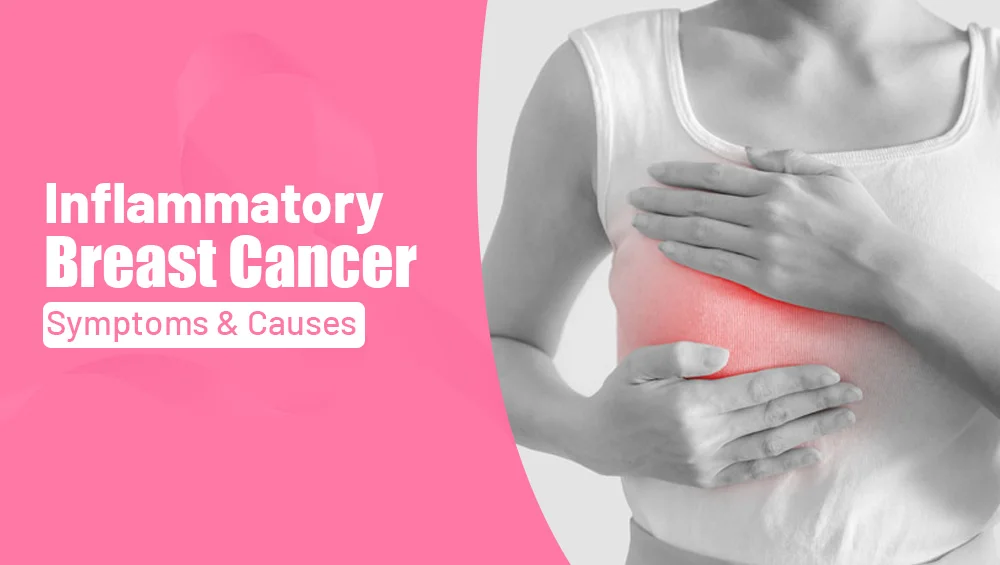
Breast cancer is one of the most common cancers affecting women worldwide, though men can also develop it in rare cases. With early detection and modern medical advances, breast cancer is now more treatable than ever. Understanding its causes, stages, treatment options, and survival rates can help people make informed health decisions and reduce fear through awareness.
What Is Breast Cancer?
Breast cancer occurs when abnormal cells in the breast begin to grow uncontrollably and form a tumor. These cancerous cells usually develop in the milk-producing glands (lobules) or the ducts that carry milk to the nipple. Over time, cancer cells can spread to nearby tissues and other parts of the body if not treated early.
Breast cancer can affect:
- Women of all ages
- Men (rare but possible)
- People with or without a family history
Causes of Breast Cancer
There is no single cause of breast cancer. It usually develops due to a combination of genetic, hormonal, and lifestyle factors.
Common Causes & Risk Factors
- Genetic mutations (BRCA1 and BRCA2 genes)
- Family history of breast or ovarian cancer
- Hormonal changes, especially prolonged estrogen exposure
- Age (risk increases after 40)
- Unhealthy lifestyle (smoking, alcohol consumption)
- Obesity and lack of physical activity
- Radiation exposure
- Late menopause or early menstruation
Having risk factors does not mean someone will definitely get breast cancer—it only increases the chances.
Early Signs and Symptoms of Breast Cancer
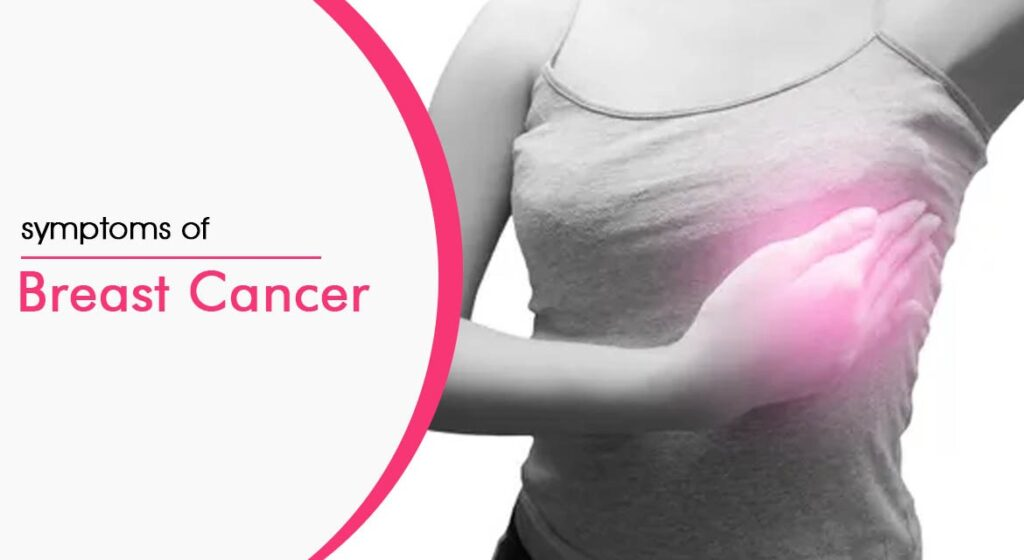
Early detection saves lives. Common symptoms include:
- A lump in the breast or underarm
- Change in breast size or shape
- Nipple discharge (especially bloody)
- Skin dimpling or redness
- Pain in one area of the breast
- Inverted nipple or nipple changes
“Not all breast lumps are cancerous,
but any unusual change should be checked by a doctor.”
Stages of Breast Cancer
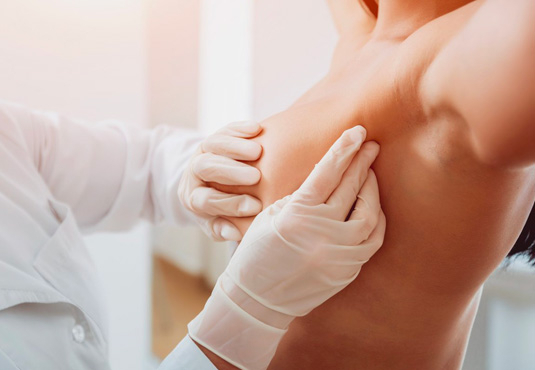
Breast cancer is divided into stages based on tumor size and spread.
Stage 0
- Non-invasive cancer
- Cancer cells are confined to milk ducts
Stage I
- Small tumor
- Cancer has not spread or has minimal spread
Stage II
- Larger tumor
- Possible spread to nearby lymph nodes
Stage III
- Advanced local spread
- Involves skin, chest wall, or many lymph nodes
Stage IV (Metastatic)
- Cancer has spread to other organs like bones, liver, lungs, or brain
Types of Breast Cancer
Ductal Carcinoma In Situ (DCIS) – Non-invasive
Invasive Ductal Carcinoma (IDC) – Most common type
Invasive Lobular Carcinoma (ILC)
Triple-Negative Breast Cancer
HER2-positive Breast Cancer
Breast Cancer Diagnosis
Doctors may use:
- Mammogram
- Ultrasound
- MRI scan
- Biopsy
- Blood tests
- Genetic testing
Early screening plays a critical role in successful treatment.
Treatment Options for Breast Cancer
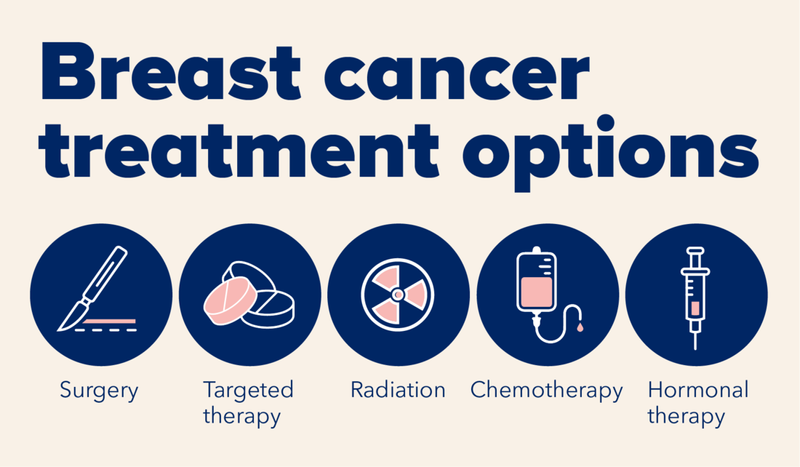
Treatment depends on the stage, type, and overall health of the patient.
Common Treatment Methods
1. Surgery
- Lumpectomy (removal of tumor)
- Mastectomy (removal of breast)
2. Chemotherapy
- Uses drugs to kill cancer cells
- Often used before or after surgery
3. Radiation Therapy
- Destroys remaining cancer cells
- Reduces recurrence risk
4. Hormone Therapy
- Blocks hormones that fuel cancer growth
5. Targeted Therapy
- Targets specific cancer cell proteins (like HER2)
6. Immunotherapy
- Boosts the body’s immune system to fight cancer
Breast Cancer Survival Rates
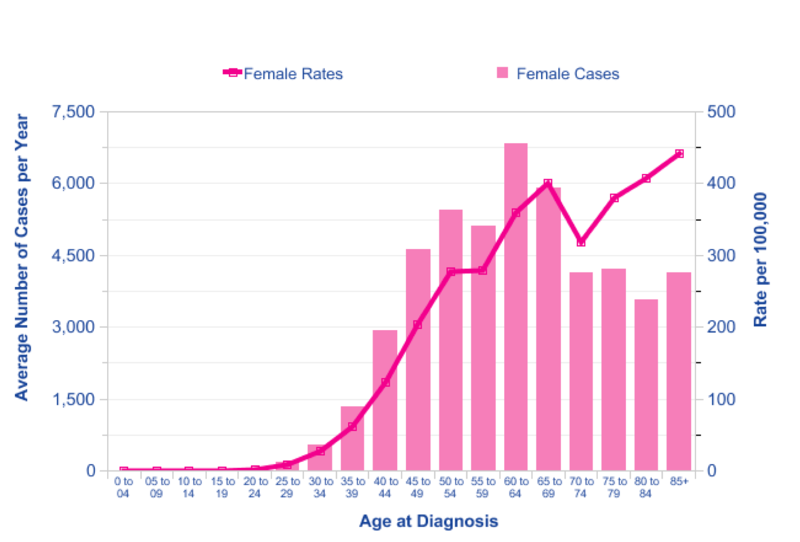
Survival rates depend on early diagnosis and treatment.
Approximate 5-Year Survival Rates
- Stage 0 & I: 95–99%
- Stage II: 85–90%
- Stage III: 60–75%
- Stage IV: Around 30%
Early detection dramatically increases survival chances.
Can Breast Cancer Be Prevented?
While breast cancer cannot always be prevented, risk can be reduced by:
- Maintaining a healthy weight
- Regular exercise
- Avoiding tobacco and alcohol
- Eating a balanced diet
- Regular breast self-exams
- Routine mammograms
- Managing stress levels
Living With Breast Cancer
Breast cancer affects not only physical health but also mental and emotional well-being. Support from family, counseling, survivor groups, and medical professionals plays a key role in recovery and quality of life.
“Breast cancer is not the end—it’s a journey of strength, courage, and hope.”
Conclusion
Breast cancer awareness is essential for early detection, effective treatment, and improved survival rates. With medical advancements and increased awareness, millions of people are living healthy lives after breast cancer. Knowledge, regular screening, and a healthy lifestyle are the strongest tools in the fight against this disease.
The information provided in this article is for educational and informational purposes only and is not intended as medical advice, diagnosis, or treatment. Breast cancer symptoms, causes, and treatments may vary from person to person. Always seek the advice of a qualified healthcare professional or medical expert regarding any medical condition, diagnosis, or treatment. The author and publisher are not responsible for any health decisions made based on the information presented in this content.
#BreastCancer #BreastCancerAwareness #CancerAwareness #HealthBlog #WomenHealth #EarlyDetection #CancerPrevention #BreastHealth #HealthTips #MedicalAwareness #CancerCare #Anslation #Carrerbokk#HealthyLifestyle #SelfExamination #FightCancer #HealthEducation #Wellness #CancerSupport #MedicalBlog #SurvivorStories