
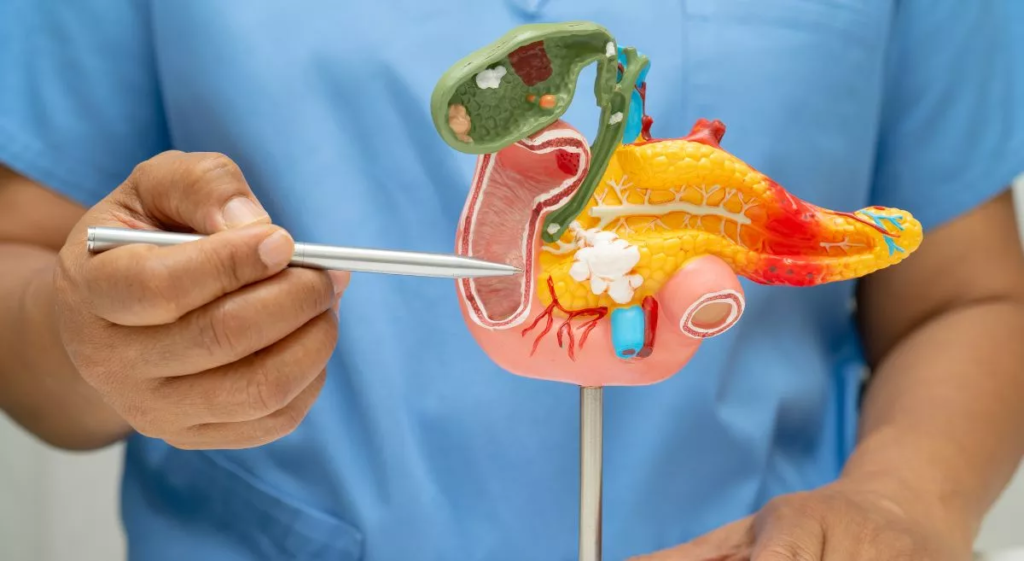
Pancreatic cancer is one of the most aggressive forms of cancer, often diagnosed at an advanced stage due to its subtle symptoms. According to the American Cancer Society, pancreatic cancer is the third leading cause of cancer-related deaths, and survival rates remain low. However, thanks to advances in medical research, innovative treatments, and inspiring success stories, there is hope for patients and families affected by this disease.
In this blog, we explore the latest breakthroughs in pancreatic cancer research, current treatment options, and real-life success stories that provide hope for a cure.
Understanding Pancreatic Cancer
Early detection is key to effective treatment, and ongoing research is focusing on identifying biomarkers and developing advanced screening methods to detect the disease sooner.
The pancreas is an organ located behind the stomach, responsible for producing digestive enzymes and insulin. Pancreatic cancer occurs when abnormal cells grow uncontrollably in the pancreas. Early-stage pancreatic cancer is difficult to detect because symptoms like abdominal pain, jaundice, and weight loss often appear late.
Latest Research in Pancreatic Cancer
1. Immunotherapy
Immunotherapy is a revolutionary approach that uses the body’s immune system to target cancer cells. Researchers are exploring checkpoint inhibitors, cancer vaccines, and CAR-T cell therapy for pancreatic cancer. Early trials have shown promising results in boosting survival rates for certain patients.
2. Targeted Therapy
Targeted therapies attack specific genetic mutations in cancer cells. Drugs like PARP inhibitors have been effective for patients with BRCA gene mutations. These therapies offer a personalized approach and reduce damage to healthy cells compared to traditional chemotherapy.
3. Early Detection Techniques
Researchers are developing blood tests, imaging technology, and genetic screening to detect pancreatic cancer at an earlier stage. Liquid biopsies, for example, can identify tumor DNA circulating in the bloodstream, potentially allowing for earlier intervention and improved outcomes.
4. Clinical Trials
Ongoing clinical trials are exploring innovative combinations of treatments, including chemotherapy with immunotherapy and novel drug delivery systems that target the tumor directly. Patients participating in these trials often gain access to cutting-edge therapies not yet available publicly.
Current Treatment Options

- Surgery – For localized pancreatic cancer, procedures like the Whipple procedure can remove tumors and affected tissues. Surgery offers the best chance of long-term survival for eligible patients.
- Chemotherapy – Drugs such as FOLFIRINOX or gemcitabine are used to kill cancer cells or slow tumor growth.
- Radiation Therapy – Focused radiation can shrink tumors and alleviate symptoms, often used alongside chemotherapy.
- Palliative Care – Even when a cure is not possible, palliative care improves quality of life by managing pain and other symptoms.
Inspiring Success Stories
While pancreatic cancer is challenging, there are stories of survival and resilience that inspire hope:
- Case Study 1: A patient diagnosed at Stage II underwent surgery followed by targeted therapy and is now in remission five years later.
- Case Study 2: Another patient benefited from a combination of chemotherapy and immunotherapy, with significant tumor reduction and improved quality of life.
These stories highlight the importance of early detection, personalized treatment, and clinical trials in increasing survival rates.
Lifestyle & Prevention Tips

While there is no guaranteed way to prevent pancreatic cancer, certain lifestyle choices may reduce the risk:
- Maintain a healthy weight and exercise regularly.
- Avoid tobacco and excessive alcohol consumption.
- Eat a balanced diet rich in fruits, vegetables, and whole grains.
- Discuss family history and genetic testing with your doctor if there is a history of pancreatic or related cancers.
Conclusion
Pancreatic cancer remains a serious and complex disease, but advances in research, targeted therapies, and early detection methods are providing new hope for patients worldwide. By staying informed, supporting clinical research, and sharing success stories, we can move closer to a future where pancreatic cancer is no longer a terminal diagnosis.
Remember: Early detection saves lives. If you or a loved one are experiencing persistent symptoms, consult a healthcare professional immediately.
The information provided in this blog is for educational and informational purposes only. It is not intended as medical advice and should not be used to diagnose, treat, or replace consultation with a qualified healthcare professional. Always consult your doctor or a licensed medical provider for personalized advice regarding symptoms, diagnosis, treatment options, or any health-related concerns. Individual results may vary, and the content may not cover all possible medical conditions or treatments.
#PancreaticCancer #CancerResearch #CancerAwareness #PancreaticCancerAwareness #CancerTreatment #Immunotherapy #EarlyDetection #CancerSupport #HopeForACure #MedicalBreakthroughs #Anslation #Carrerbook #FightCancer #CancerSurvivor #HealthTips #Oncology #PancreaticHealth