
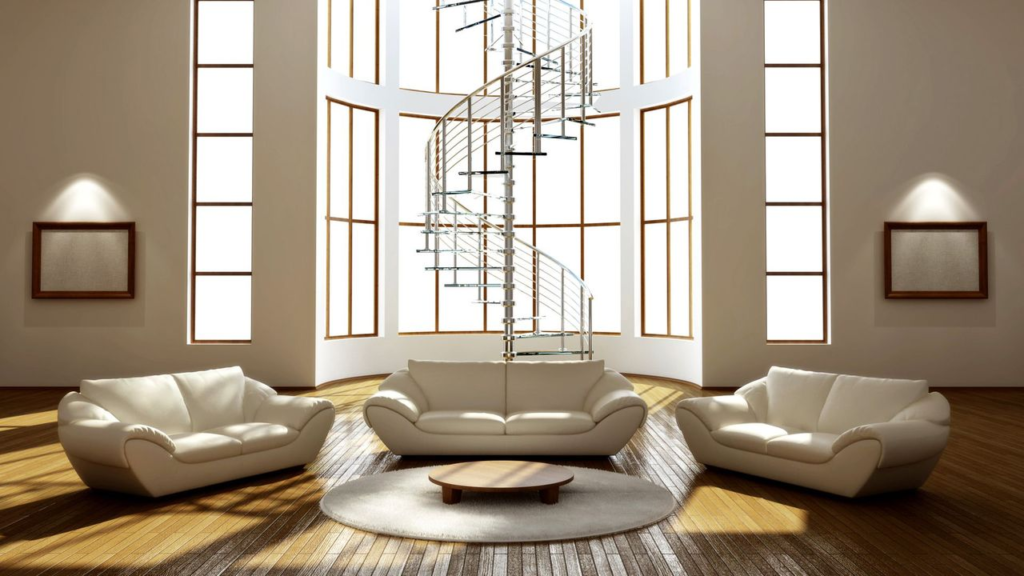
In today’s fast-paced world, our lives are often cluttered—not just with stuff, but with habits, commitments, and mental noise. Minimalism, once thought of as merely “owning less,” has evolved into something far more profound: a lifestyle that creates maximal joy by focusing on what truly matters.
1. What Minimalism Really Means Today
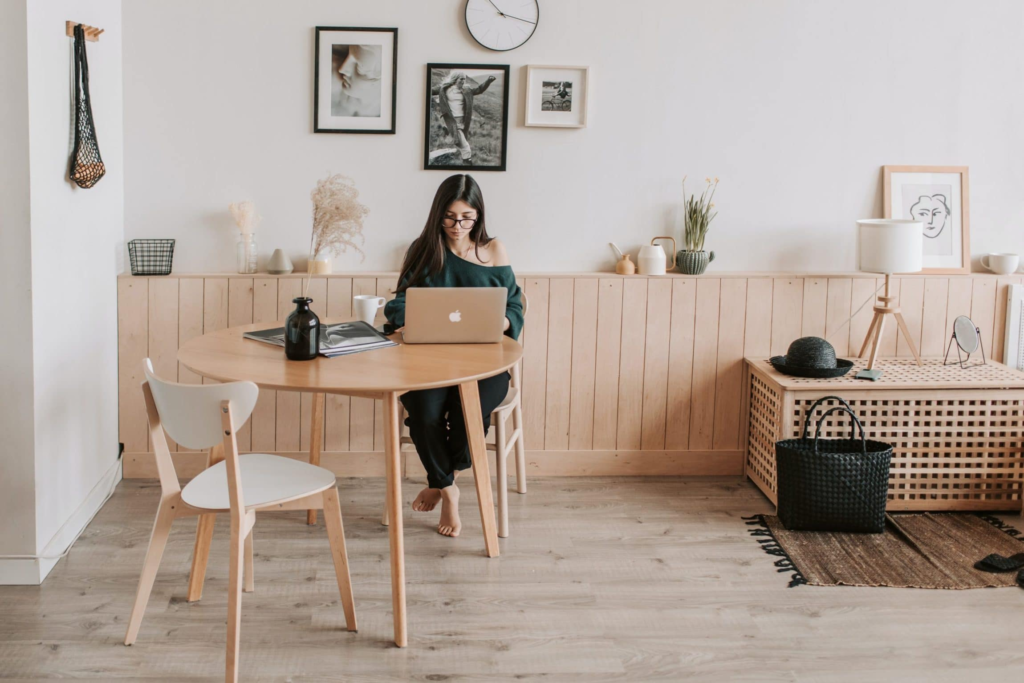
Minimalism isn’t about giving up everything you love. It’s about intentional living. It’s about making choices that add value to your life while removing what drains it. From fashion to finances, minimalism encourages us to prioritize quality over quantity, helping us live more consciously and joyfully.
Key Points:
- Declutter your space: A tidy environment fosters a calm mind.
- Mindful consumption: Buy fewer but better-quality items.
- Digital minimalism: Reduce screen time to focus on real-world experiences.
“Simplicity is the ultimate sophistication.” – Leonardo da Vinci
2. From Less to More: Maximizing Joy Through Experiences
Minimalism doesn’t just reduce—it enhances your experience. When you remove distractions, you gain more time, energy, and attention for meaningful experiences. People who embrace this lifestyle often report higher satisfaction in daily life, stronger relationships, and improved mental well-being.
Ways to Maximize Joy:
- Invest in experiences, not things. Travel, workshops, or even a quiet walk in nature can bring more lasting happiness than material possessions.
- Practice gratitude daily to appreciate the simple pleasures.
- Focus on deep relationships rather than superficial social connections.
3. Redefining Success Beyond Materialism

Society often equates success with wealth and possessions. Minimalist living challenges this notion. Success is now measured in freedom, peace, and joy. People are moving towards careers, hobbies, and lifestyles that align with personal values, rather than external expectations.
- Remote work and flexible careers allow more time for personal growth.
- Side projects, hobbies, and volunteering enrich life in ways money can’t buy.
4. Practical Minimalist Habits to Start Today
Transitioning doesn’t require a complete lifestyle overhaul. Small, intentional steps create lasting impact.
Daily Practices:
- Declutter one space per week – drawer, closet, or digital files.
- One-in, one-out rule – for every new item, remove one old.
- Mindful morning routine – meditate, journal, or stretch to set the tone for the day.
- Plan experiences instead of shopping sprees – coffee with a friend, museum visit, or hiking trip.
5. The Science of Joy in Minimalism
Studies show that cluttered environments can increase stress and reduce focus. Conversely, simplified surroundings and routines promote calmness and productivity. Minimalism helps the brain prioritize what’s important, boosting mental clarity and emotional resilience.
6. Minimalism Meets Modern Trends
Modern minimalism goes beyond tiny homes and capsule wardrobes. Today, it integrates:
- Sustainable living: Eco-friendly products and reduced consumption.
- Digital decluttering: Social media detoxes and mindful tech use.
- Mindful finance: Saving and investing for life goals instead of impulse spending.
By embracing these trends, you not only simplify your life but also enhance your impact on the world, creating joy for yourself and others.
Conclusion:
Minimalism is not about restriction—it’s about freedom, focus, and joy. By decluttering our homes, minds, and habits, we can live intentionally and embrace life’s true pleasures. The journey from minimalism to maximal joy is personal, but its rewards—peace, clarity, and fulfillment—are universal.
Start small, start today. Maximal joy is waiting at the other end of simplicity.
The information provided in this blog, “Minimalism to Maximal Joy: New Ways We’re Redefining Living,” is intended for general informational and inspirational purposes only. All content reflects personal opinions, experiences, and research and should not be considered professional advice.
This blog does not provide medical, psychological, financial, or legal advice. Readers are encouraged to consult qualified professionals before making any lifestyle, health, or financial decisions based on the content shared here.
#Minimalism #SimpleLiving #IntentionalLiving #MinimalistLifestyle #JoyfulLiving #MindfulLiving #ModernLifestyle #MentalWellness #InnerPeace #StressFreeLife #SelfGrowth #LifeBalance #Anslation #Carrerbook #LifestyleTrends #PositiveLiving #HappinessJourney #LifestyleBlog #BloggingLife #Lifestyle2026 #ConsciousLiving #DailyHabits
FAQs
Q1. What does “minimalism to maximal joy” mean?
It means living with fewer distractions and unnecessary possessions so you can focus on what truly brings happiness—such as meaningful relationships, personal growth, and life experiences.
Q2. Is minimalism only about owning fewer things?
No. Modern minimalism is about intentional living. It includes simplifying your schedule, digital life, mindset, and habits—not just decluttering physical items.
Q3. Can minimalism really improve mental health?
Yes. A clutter-free environment and simpler lifestyle can reduce stress, improve focus, and promote emotional well-being by creating mental clarity and calm.