
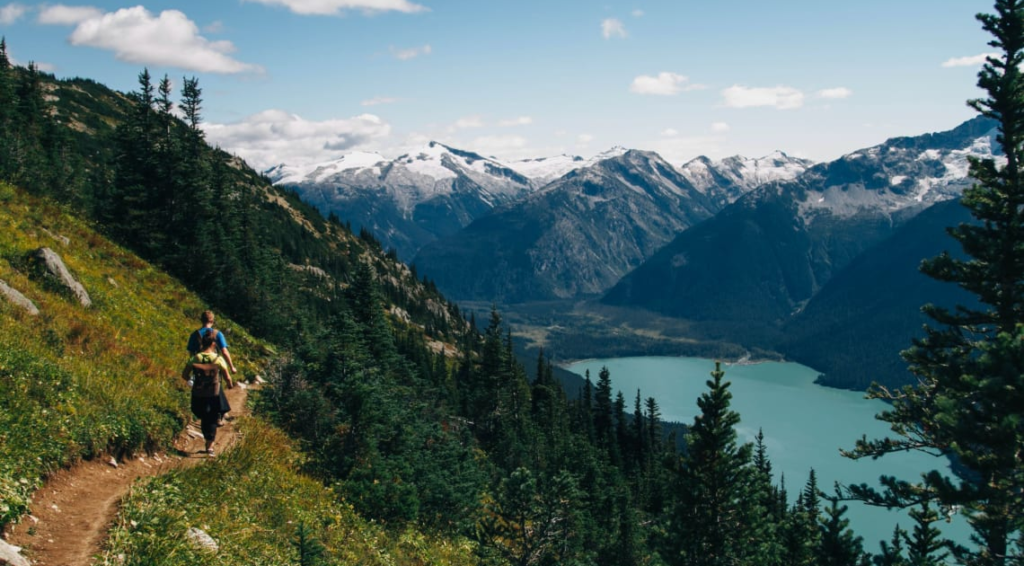
There is a subtle trap in writing about the outdoors: it is very easy to end up sounding like a glossy brochure. Words like “jaw-dropping,” “majestic,” and “unrivaled” get tossed around until every mountain range starts to sound like the exact same computer-generated postcard.
But if you’ve ever actually stood on a cold trail at 6:00 AM with a heavy pack on your back, you know that mountain travel isn’t a collection of perfect photos.
It’s messy, exhausting, and wonderfully grounded. It’s the smell of pine needles heating up under the mid-morning sun. It’s the taste of lukewarm filter water that somehow feels like the best drink you’ve ever had. It’s the sudden, quiet panic when a rain cloud rolls over a pass, followed by the sheer relief of stepping into a warm hut where someone hand-delivers you a plate of hot food.
That’s what makes a mountain getaway so memorable. It isn’t just about reaching a famous viewpoint or collecting beautiful pictures for your camera roll. It’s about the little moments that happen between the big ones—the tired legs, unexpected weather, quiet trails, friendly strangers, and that satisfying feeling of knowing you earned the view.
If you are looking to get out into high country—whether you want a leisurely week of gondolas and lakes or a full-on multi-day trek where your muscles ache for a week after—here is what those 15 destinations actually feel like on the ground.
1. The Dolomites, Italy

The Vibe: High-altitude mountain paths paired with surprisingly incredible food.
Most high mountain ranges force you to choose between wild scenery and basic human comfort. The Dolomites laugh at that choice. Here, you can hike four hours up a steep, chalky limestone trail, turn a corner, and walk directly onto the porch of a family-run rifugio (mountain hut). Ten minutes later, you’re sitting at a wooden picnic table on the edge of a cliff, drinking a cold draft beer and eating homemade tagliatelle with wild boar ragù.
The peaks here look like giant fossilized saw-blades sticking out of manicured green alpine lawns. It feels surreal, almost like a film set, but the culture is rooted in deep local history.
- Real Talk: The famous spots (like Lago di Braies and Tre Cime) get utterly jammed with tour buses by 10:00 AM. Start your hikes at dawn. By the time the crowds arrive, you’ll already be three miles down the trail, looking down at them from above.
2. Banff National Park, Canada
The Vibe: The ultimate, accessible wilderness giant.
Banff is famous because of its water. Glacial sediment gives lakes like Louise and Moraine a milky, glowing turquoise tint that doesn’t look like real water—it looks like bright blue paint spilled into a basin of gray rock.
Because it’s so accessible, Banff draws huge crowds. But here’s the trick: 90% of visitors never walk more than half a mile from their rental cars. If you put on proper shoes and take a trail that climbs just 500 vertical feet, the noise vanishes, the tourists disappear, and you are left in massive, quiet forests with the real possibility of seeing an elk or a bear.
- Real Talk: Parking at Lake Moraine is a nightmare that will test your sanity. Book the park shuttles well in advance, or accept that you’ll be waking up at 4:30 AM to catch a ride.
3. Zermatt, Switzerland

The Vibe: Car-free, absurdly efficient alpine perfection.
Zermatt feels like a fairy tale designed by high-end engineers. There are no gas-powered cars allowed in the village—just quiet, tiny electric taxis humming down cobbled streets framed by dark-wood chalets. And towering above every single street corner is the Matterhorn, looking like a giant tooth hooked into the sky.
Switzerland’s transit network means you don’t even have to sweat through a brutal 4,000-foot climb to see alpine lakes. You hop on a cogwheel train, sit on a heated bench, and 20 minutes later you’re stepped out at 10,000 feet surrounded by glaciers.
- Real Talk: Switzerland is notoriously expensive. A simple lunch on the mountain can easily run $40 a person. Grab bread, local cheese, and cured meats from the grocery store in town and pack a trail picnic instead.
4. Chamonix, France
The Vibe: Raw, gritty, high-octane mountain culture.
If Zermatt is a quiet spa resort, Chamonix is an athletics camp full of people who treat adrenaline like coffee. Sitting under the icy mass of Mont Blanc, this valley is ground zero for modern alpinism. Walking down the main pedestrian street, you’ll pass world-class trail runners in neon gear, paragliders folding up giant chutes, and sweaty climbers carrying ropes and ice axes.
The trails here are steep and uncompromising. You don’t walk around the mountains here—you climb straight up the valley walls to get face-to-face with hanging glaciers that rumble as ice shifts throughout the day.
- Real Talk: Don’t underestimate the steepness. A “moderate” trail here often involves 2,000 feet of relentless, vertical stepping. Bring trekking poles; your knees will thank you.
5. Annapurna Region, Nepal
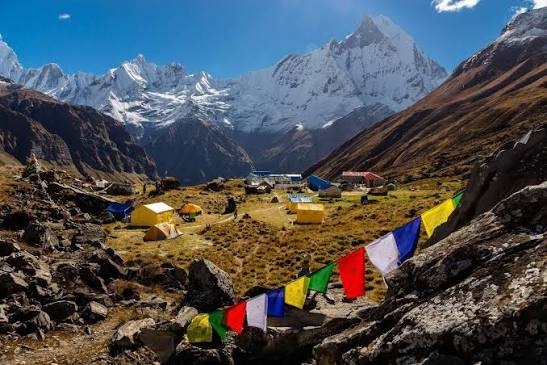
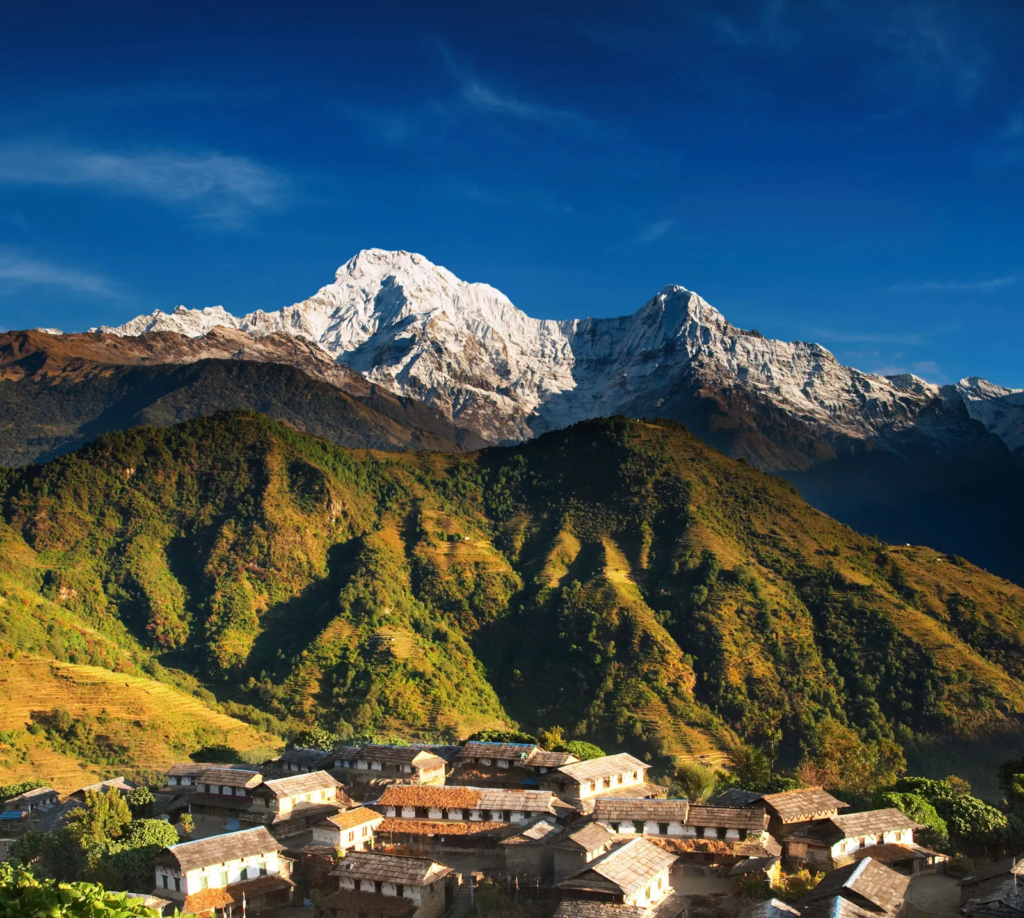
The Vibe: Walking from village to village in the shadow of giants.
Trekking in Nepal isn’t a weekend camping trip; it’s a lifestyle shift. You aren’t carrying a heavy tent or cooking freeze-dried meals on a tiny stove. You walk from one tiny, roadless mountain village to the next, sleeping in wood-paneled rooms at family-run teahouses.
Every evening ends the same way: sitting around a wood-burning stove in a communal dining room, eating huge plates of hot dal bhat (lentils and rice), and swapping stories with trekkers from around the world while the temperature outside drops well below freezing. The sheer scale of the mountains here makes everything else in the world feel very small.
- Real Talk: Altitude sickness is a very real, non-negotiable risk. You cannot fitness-your-way past it. Go slow, drink absurd amounts of tea and water, and build rest days into your itinerary.
6. Torres del Paine, Chile
The Vibe: Unapologetic, wild, wind-blasted Patagonia.
Patagonia does not care about your plans. You can wake up to a completely still, crystal-clear blue morning, and by noon be leaning into a 60-mph gale of wind that picks up water from a lake and sprays it sideways into your face.
That unpredictable weather is precisely why people fall in love with it. The park is home to giant granite spires, bright-blue icebergs floating in dark lakes, and yellow grasslands where herds of wild guanacos graze. When the clouds finally break and light hits those sheer rock towers, it feels like you’re standing at the absolute edge of the earth.
- Real Talk: Book your campsites or refuge beds the exact day reservations open (usually months in advance). You cannot simply show up and wing it here.
7. Queenstown, New Zealand
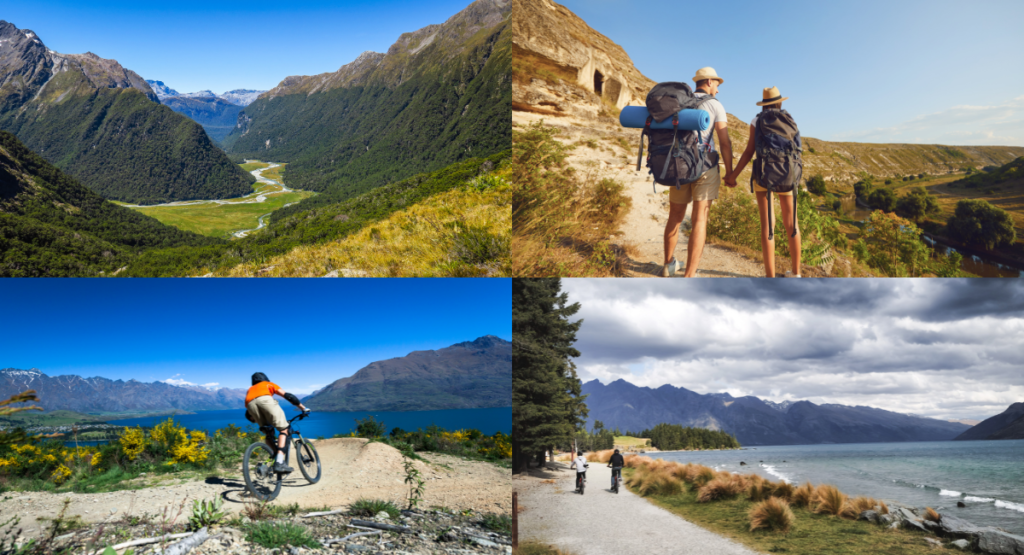
The Vibe: A laid-back playground surrounded by jagged ranges.
Queenstown has a distinct energy: it’s part mountain town, part international student hub, and part thrill-seeker park. Tucked along the serpentine shores of Lake Wakatipu, it’s framed by a mountain range literally named The Remarkables.
You can spend six hours grinding up a steep trail to a ridge with views of endless alpine lakes, get back to town, shower, and be sitting at a lively lakefront bar eating a burger by 7:00 PM. It’s ideal for people who want hard daytime efforts paired with a great social scene at night.
- Real Talk: Summer (December to February) brings massive crowds and packed trails. If you visit in March or April, the weather is still crisp and clear, but the summer rush has gone home.
8. Aoraki / Mount Cook, New Zealand
The Vibe: Silence, massive ice fields, and immense open sky.
If Queenstown feels a little too busy, driving three hours north to Mount Cook feels like turning the volume knob down to zero. The park centers around New Zealand’s highest peak—a massive pyramid of rock and ice that holds court over broad, gravelly river valleys.
The hikes here are remarkably accessible. You can walk along flat, wooden boardwalks through the Hooker Valley, crossing swinging rope bridges over roaring glacial rivers, until you reach a lake choked with gray icebergs right at the base of the mountain.
- Real Talk: The weather here is notoriously volatile because the mountains sit right near the ocean. Always pack a full waterproof layer, even if the sky is cloudless when you leave your room.
9. Lofoten Islands, Norway
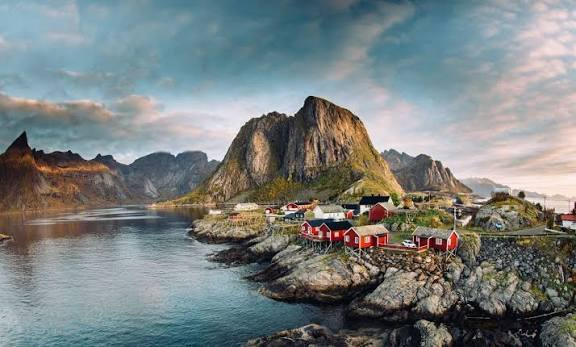
The Vibe: Razor-thin peaks rising directly out of cold northern ocean.
Lofoten doesn’t make sense visually when you first see it. It looks like the Alps were dropped directly into the Arctic Ocean. Sharp, emerald-green peaks drop down into white-sand beaches that look like they belong in the Caribbean—until you touch the ice-cold water.
The trails here don’t bother with long, gentle switchbacks. They tend to go straight up the spine of the mountain. But once you reach a ridge, you can look down and see traditional red wooden fishing shacks clustered on islands below, connected by tiny bridges spanning deep blue fjords.
Real Talk: If you go in June or July, the sun never sets. It’s amazing for late-night hiking, but bring an eye mask or you won’t sleep a wink.
10. The Japanese Alps, Japan
The Vibe: Ancient forest trails ending in hot steam and cold beer.
Hiking in Japan feels deeply grounded in tradition. Trailheads often start behind ancient wooden shrines, and paths weave up through dense, quiet beech forests before breaking above the tree line into rocky alpine terrain.
The ultimate reward comes at the end of the day. Japanese mountain culture centers heavily around onsens—natural geothermal hot springs. There is nothing on earth quite like shedding a heavy pack after an 8-hour hike, sinking into a steaming outdoor stone bath surrounded by forest, and then sitting down to a multi-course dinner made from local mountain vegetables and fresh river trout.
- Real Talk: Many mountain huts require reservations and operate on strict schedules for meals (usually dinner at 5:30 PM sharp). Respect the timing and local trail etiquette.
11. The Atlas Mountains, Morocco

The Vibe: Red mud-brick villages, walnut groves, and high-altitude desert paths.
Just a two-hour drive from the chaotic, sensory overload of Marrakech’s markets sit the High Atlas Mountains. The change in pace is immediate. The landscape shifts to deep red canyons, terraced green fields fed by snowmelt, and quiet earthen villages built directly into the hillsides.
Trekking here is a deeply human experience. You’re sharing trail space with local mule drivers, passing kids playing in mountain streams, and stopping at tiny stone tea-shops where locals serve sweet, scalding mint tea.
- Real Talk: Summer in the valleys can be brutally hot, while winter brings heavy snow to the upper peaks. Aim for spring or late autumn for the sweet spot.
12. The Julian Alps, Slovenia
The Vibe: Underrated, affordable, and incredibly green.
For years, travelers headed straight to Austria or Switzerland, completely bypassing Slovenia. That was a mistake, but a great one for those who discovered it early. The Julian Alps offer the same dramatic, limestone-peak beauty as their famous neighbors, but at a fraction of the cost and with a much quieter, local feel.
The water here is almost absurdly blue. The Soča River cuts through deep limestone gorges with a shade of bright turquoise that looks digitized. Whether you’re taking a gentle stroll around Lake Bohinj or tackling steep, wire-assisted paths up Mount Triglav, it feels like a hidden corner of Europe that managed to keep its soul.
- Real Talk: Lake Bled is gorgeous, but it gets choked with day-trippers. Use the quieter nearby town of Ukanc or the Soča Valley as your actual base camp instead.
13. El Chaltén, Argentina
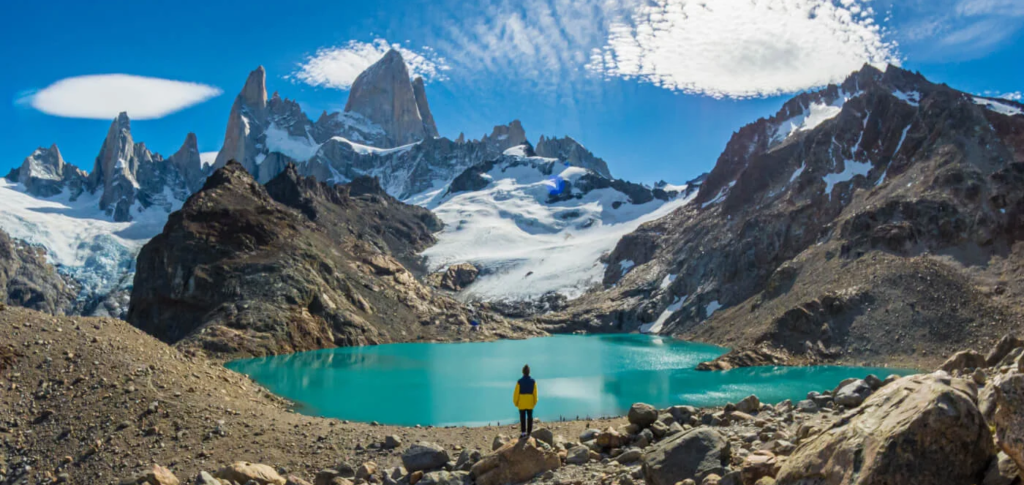
The Vibe: The ultimate dust-on-your-boots, walk-to-the-trailhead town.
El Chaltén is built entirely around hiking. There are no fancy resorts, no high-end shopping malls, and no complex transportation logistics. The town sits in a bowl at the foot of Mount Fitz Roy. You literally walk out the back door of your hotel, cross a dirt street, and step onto trails that rank among the most scenic on Earth.
The hikes are long, honest day-efforts that take you through wind-gnarled beech forests, across stony riverbeds, and up steep moraines to clear mountain pools sitting directly underneath jagged granite needles.
- Real Talk: The local wind here is legendary. Secure everything on your pack, hold onto your hat, and don’t stand too close to exposed cliff edges when gusts pick up.
14. Ladakh, India
The Vibe: A high-altitude, stark mountain desert unlike anywhere else.
Ladakh sits in the rain shadow of the Himalayas, creating a landscape that looks more like Mars than a typical mountain range. It is a vast, dry high-desert plateau framed by barren brown mountains that shift in color from purple to orange as the sun moves across the sky.

Because of its geography, Ladakh is deeply tied to Tibetan Buddhist culture. Trails lead past ancient monasteries clinging to rocky cliffs, whitewashed stupas, and long walls of carved prayer stones. It feels remote, ancient, and vast.
Real Talk: Leh, the main town, sits at 11,500 feet (3,500 meters). Do not plan anything active for your first 48 hours. Sit in town, drink tea, rest, and let your body adapt to the thin air.
15. The Swiss Alps (Bernese Oberland)
The Vibe: Classic, lush alpine valleys with waterfalls everywhere you look.
If you close your eyes and picture “The Alps,” you are picturing the Bernese Oberland. This is the home of the Lauterbrunnen Valley—a deep, U-shaped glacial canyon with sheer 1,000-foot rock walls that have over 70 waterfalls spilling off their edges.
You can take tiny, wooden cable cars up to car-free cliffside villages like Mürren and Gimmelwald, where the sound of car traffic is replaced entirely by the clanging of cowbells in green pastures. It’s accessible, deeply picturesque, and surprisingly peaceful once you step off the main train routes.
- Real Talk: Skip the expensive Jungfraujoch “Top of Europe” train ride if you’re on a budget. The views from the local trails around Mürren and Schynige Platte are better, quieter, and cost a fraction of the price.
A Quick Reality Check Before You Go

If you want your mountain trip to actually feel like a vacation rather than a stressful ordeal, remember three basic rules:
- Don’t over-schedule: Mountains operate on weather time, not calendar time. Build at least one “buffer day” into your trip so a single rainstorm doesn’t ruin your main hiking plans.
- Spend money on socks, not just boots: A $200 pair of boots won’t save you if you wear thin cotton socks that hold moisture. Invest in high-quality merino wool hiking socks.
- Respect the trail: The prettiest places are also the most fragile. Stay on marked paths to avoid kicking off erosion, pack out every single scrap of trash you bring in, and let the quiet stay quiet.
Frequently Asked Questions
1. Do I need to be super fit for a mountain trip?
Nope—spots like Banff have super easy walks, while places like Nepal are meant for serious leg-burns. Just pick a trail that actually sounds fun to you.
2. What’s the worst packing mistake people make?
Wearing cheap cotton socks and brand-new boots. Grab some merino wool socks, bFring a waterproof shell, and break your shoes in long before you leave home.
3. How early do I really need to book stuff?
Hype spots like Patagonia or Banff shuttles need 4 to 6 months’ lead time. Quiet gems like Slovenia or Morocco are way more forgiving on short notice.
4. How do I dodge all the annoying crowds?
Set a painful early alarm and hit the trail by 6:00 AM. You’ll get pure silence while everyone else is still waiting in line for breakfast.
5. What should I do if altitude hits me hard?
Don’t try to be a hero and power through it. Chug tons of water, slow your pace way down, and head down to lower ground if your head keeps pounding.