
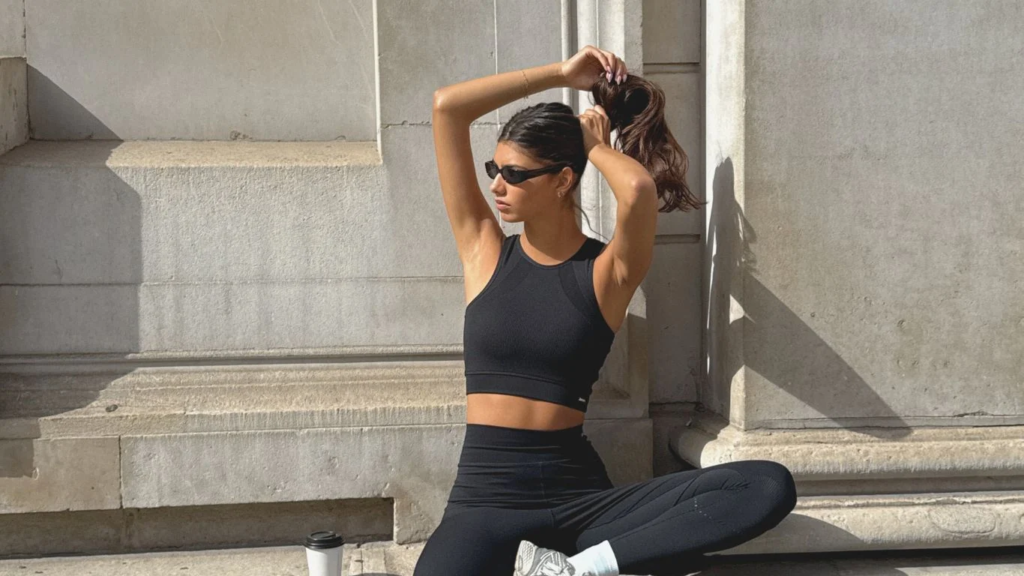
Choosing workout gear has transformed from picking a comfortable pair of sweatpants into navigating a complex landscape of advanced synthetic textiles, compression science, and specialized footwear design. Walk into any major athletic retailer or browse a performance active wear store, and you are confronted with hundreds of proprietary fabrics: seamless knits, high-compression polyamides, sweat-wicking microfibers, targeted mesh zones, and minimalist footwear. The right workout clothes can make a noticeable difference in how comfortable and confident you feel during training.
The primary purpose of specialized active wear is not aesthetic; it is the elimination of physiological and mechanical friction. The wrong pair of shorts can cause severe skin chafing during a marathon; the wrong pair of shoes can compromise ankle stability under a 300-pound squat; and non-breathable fabrics can lead to thermoregulatory failure during high-intensity training.
This comprehensive operational guide breaks down active wear selection to its fundamental elements: fiber chemistry, kinetic requirements, disciplinary nuances, thermoregulation, and long-term gear maintenance.
Part 1: Textile Science & Fiber Chemistry
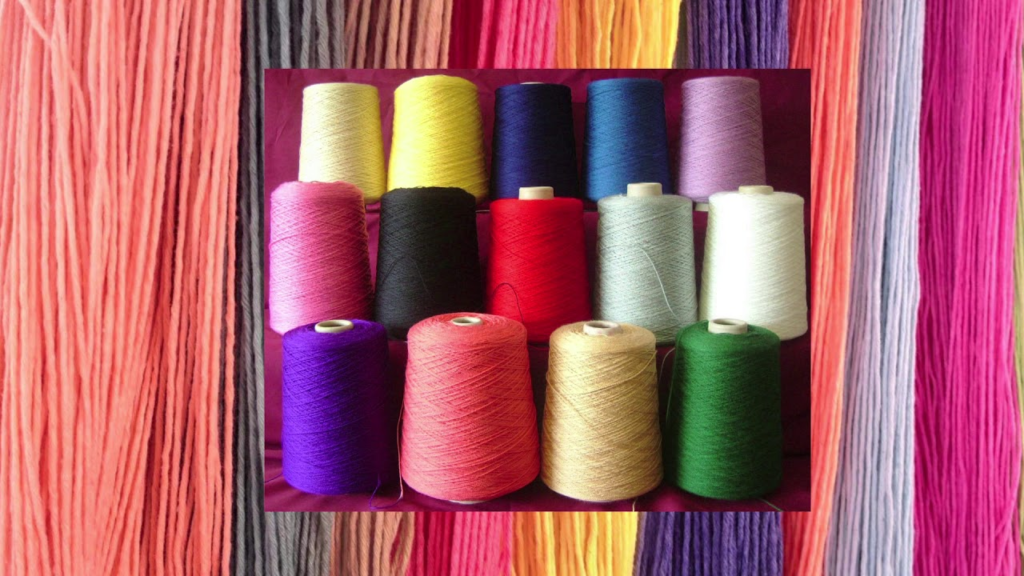
To select performance apparel intelligently, you must understand what happens at the microscopic level when yarn is spun, woven or knitted, and subjected to sweat, heat, and bio mechanical stress.
1. Synthetic Fibers: The Performance Standard
Synthetic polymers dominate performance active wear because their chemical structure can be engineered to absorb minimal liquid, stretch dynamically, and resist tearing under mechanical strain.
SYNTHETIC FIBER CHARACTERISTICS:
| Fiber Type | Primary Biological Function |
|---|---|
| Polyester (PET) | Hydrophobic / Sweat Transport |
| Nylon (Polyamide) | Abrasion Resistance / Softness |
| Spandex (Elastane) | Elastic Recovery / Compression |
Polyester (Polyethylene Terephthalate / PET)
Polyester is the core workhorse of athletic apparel.
- Chemical Profile: PET is naturally hydrophobic (water-repelling). It absorbs less than 0.4% of its weight in moisture.
- Mechanism: Because it refuses to hold liquid internally, water (sweat) is forced to sit on the surface of the fiber rather than penetrating the core. When combined with specialized micro-groove knits, polyester pulls liquid away from the epidermis via capillary action and spreads it across a wide surface area for rapid evaporative cooling.
- Best Used For: High-sweat cardio, running tops, cycling jerseys, and lightweight training shorts.
Nylon (Poly amide)
When durability, touch, and stretch are prioritized over absolute dryness, nylon replaces polyester.
- Chemical Profile: Poly amide fibers are slightly more hydrophilic than polyester (absorbing roughly 4% of their weight in moisture), but they feature significantly higher tensile strength and superior resistance to friction.
- Mechanism: Nylon feels cooler and smoother against the human skin (“silky” hand-feel) and withstands heavy friction without pilling or tearing.
- Best Used For: High-end compression leggings, weightlifting pants exposed to knurled barbells, and low-friction undergarments.
Spandex / Elastane (Lycra®)
Spandex is a synthetic poly ether-polyurea co polymer engineered exclusively for dynamic elasticity.
- Chemical Profile: Capable of expanding up to 500% of its original length without breaking, spandex instantly contracts back to its exact initial state.
- Mechanism: By blending 8% to 25% elastane with polyester or nylon, garment manufacturers impart multi-directional stretch and structural memory to clothing.
- Critical Care Note: Elastane degrades rapidly when exposed to high heat (dryers, hot water) and fabric softeners, which break down its elastic polymer chains.
2. Natural Fibers: Comfort vs. Performance Limitations
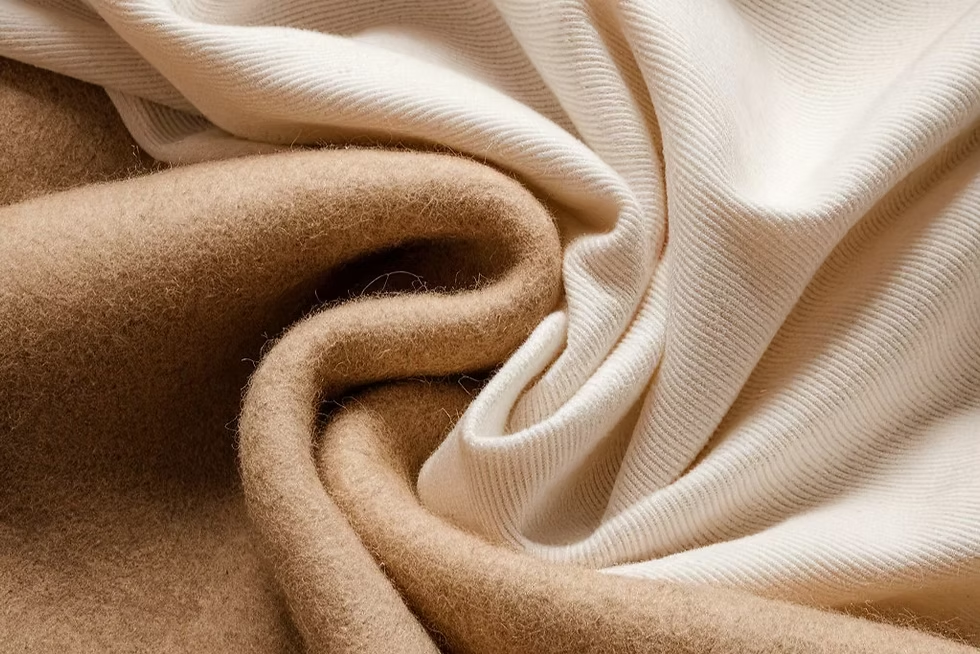
Cotton
- The Mechanism: Cotton fibers consist of pure cellulose, which is aggressively hydrophilic (water-attracting). Cotton absorbs up to 27 times its dry weight in water.
- The Failure Mode: During a workout, cotton absorbs sweat into the fiber core, expanding the yarn, making the shirt heavy, and causing the fabric to stick flat against your skin. This eliminates the air layer needed for thermoregulation, leading to severe chafing and rapid chilling post-workout.
- Where It Works: Casual mobility work, warm-up hoodies (“pump covers”), and low-sweat walks
Merino Wool
- The Mechanism: Unlike cotton, merino wool is a high-performance natural fiber. The interior core of the wool fiber absorbs moisture vapor, while the outer surface remains hydrophobic.
- Thermoregulation & Odor: It traps still air for insulation in the cold, breathes exceptionally well in heat, and naturally prevents bacterial growth due to lanolin and its complex surface structure.
- Where It Works: Cold-weather trail running, hiking base layers, and multi-day endurance events.
Part 2: Fabric Construction Methods
The way fibers are constructed into fabric dictates how a garment behaves under movement and sweat.
Woven vs. Knitted Fabrics
- Woven Fabrics: Constructed by interlacing two sets of yarns at right angles (like denim or traditional windbreaker fabric). They provide high structural durability and wind resistance, but zero intrinsic stretch unless elastane is added. Used primarily for outer shells, trail shorts, and jackets.
- Knitted Fabrics: Constructed through interlocking loops of yarn (like jersey or interlock knits). The loop structure gives knitted fabrics built-in omnidirectional stretch and open air pockets for breath-ability. Used for tops, leggings, and base layers.
Seamless Technology
Traditional garments are made by flat-stitching separate panels of fabric together, creating raised inner seams. Under repetitive movement (e.g., 10,000 running strides), these seams rub against the epidermis, causing friction burns and chafing.
Seamless garments are knit on circular 3D knitting machines as single continuous tubes. This eliminates side seams entirely and allows engineers to vary the density and breath-ability of the fabric in real time—placing loose mesh knits under the armpits and dense compression knits over the lower back without a single seam stitch.
Part 3: Discipline-Specific Gear Requirements
Different training styles impose distinct physical demands on your body and clothing.
GEAR MATRIX BY DISCIPLINE:
| Discipline | Core Structural Requirement | Critical Design Features |
|---|---|---|
| Weightlifting | Unrestricted hip/knee flex | Flat sole, 0mm-4mm heel drop |
| Running | Thermal/Moisture management | Anti-chafing seams, cushioning |
| Yoga / Mobility | Omnidirectional elasticity | High-waisted, zero hardware |
| HIIT / Cardio | Heat dissipation | Laser-cut ventilation mesh |
1. Strength Training & Powerlifting
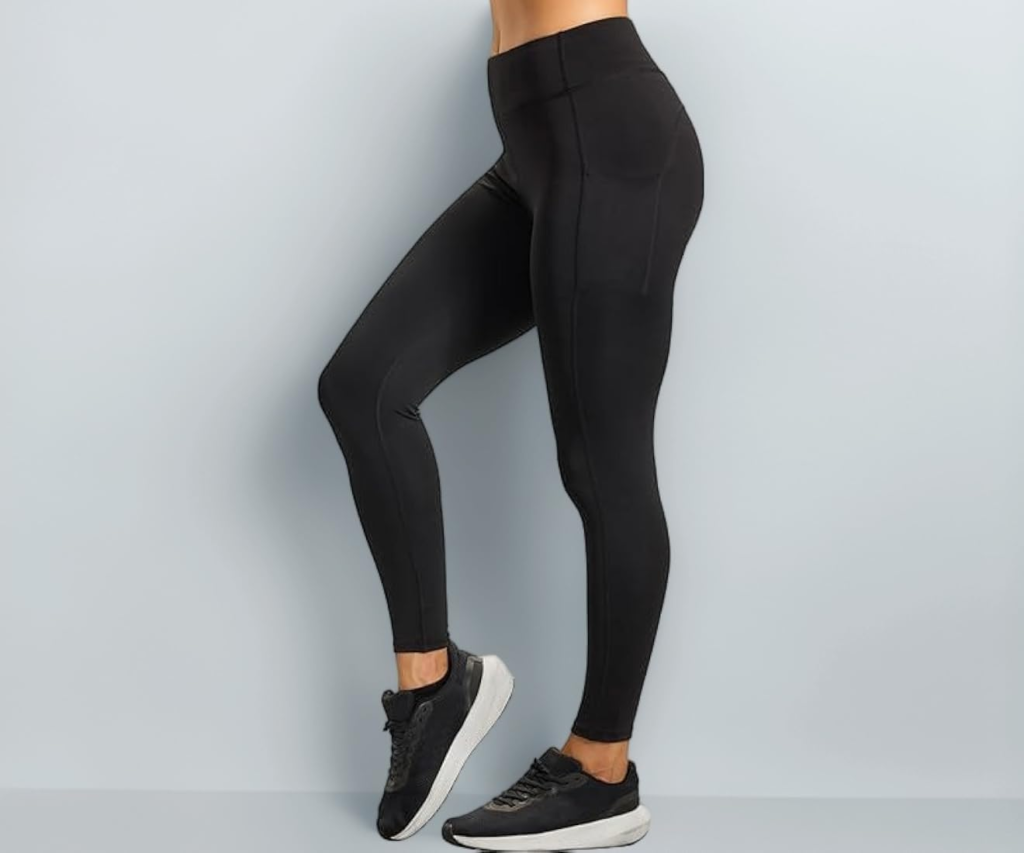
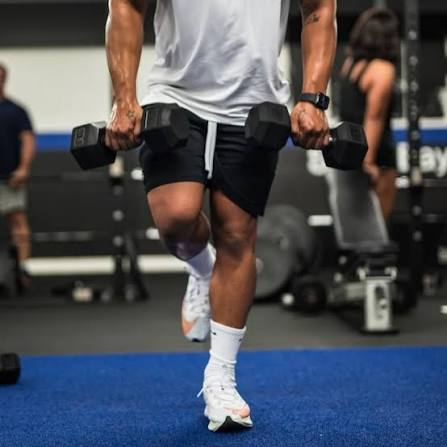
Strength training requires gear that remains anchored during deep joint angles (squats, deadlifts) and withstands heavy abrasion from knurled steel barbells.
- Leggings & Bottoms: Must feature high nylon content for tear resistance against barbells. High-waist designs with wide, double-bonded waistbands prevent the top of the pant from rolling down during deep hip flexion.
- Tops: Moderately fitted or classic cut. Avoid excessively loose shirts that fall over your face during inverted movements or bench presses.
- Footwear Science: Squatting or deadlifting in cushioned running shoes destroys stability; the compressible foam mid-sole acts like a soft mattress, bleeding force transmission and causing ankle pronation.
- For Deadlifts: Barefoot shoes or flat-soled shoes with zero heel drop (e.g., Converse, minimalist trainers) keep your center of mass close to the floor and maximize heel drive.
- For Deep Squats: Dedicated weightlifting shoes with an elevated, non-compressible hard heel (15mm to 22mm drop) reduce the required ankle dorsiflexion, allowing an upright torso.
- For Deadlifts: Barefoot shoes or flat-soled shoes with zero heel drop (e.g., Converse, minimalist trainers) keep your center of mass close to the floor and maximize heel drive.
2. Running & Endurances Studies
Running involves thousands of repetitive bio mechanical impacts. Clothing failure here results in severe physical irritation.
RUNNING FOOTWEAR BIOMECHANICS
- Tops: Ultra-lightweight polyester micro-knits. Look for laser-cut ventilation ports across high-sweat zones (upper spine, chest).
- Shorts: Must feature an internal moisture-wicking liner (compression liner or brief) to keep inner thighs from rubbing together.
- Socks (Crucial): Never wear cotton running socks. Blisters are caused by friction combined with wet skin. Select synthetic or merino-wool running socks with reinforced heel and toe cups and seamless toe closures.
- Footwear Science:
- Heel-to-Toe Drop: The height difference between the heel cushion and the forefoot cushion. High drops (8mm–12mm) suit heel-strikers by reducing strain on the Achilles tendon; low drops (0mm–4mm) favor midfoot/forefoot strikers by encouraging a natural stride.
- Heel-to-Toe Drop: The height difference between the heel cushion and the forefoot cushion. High drops (8mm–12mm) suit heel-strikers by reducing strain on the Achilles tendon; low drops (0mm–4mm) favor midfoot/forefoot strikers by encouraging a natural stride.
3. Yoga, Pilates, and Mobility Work
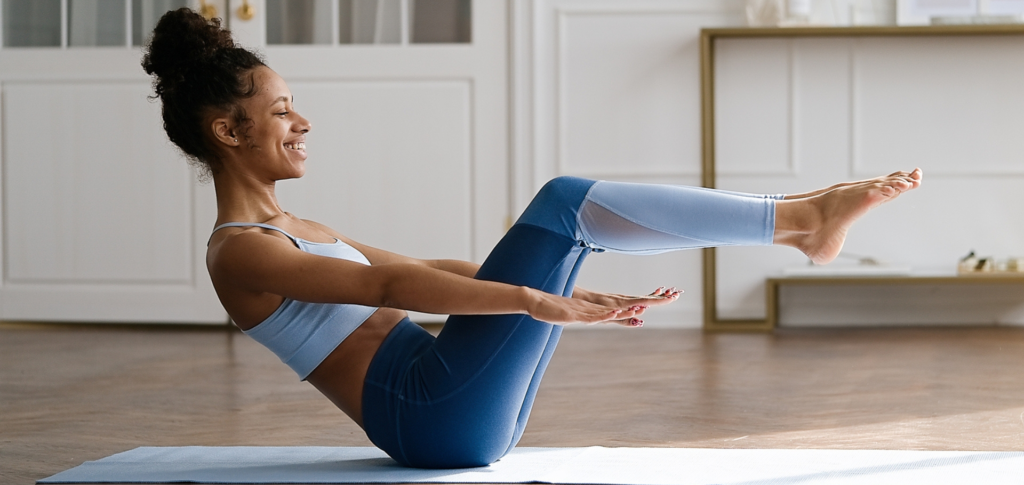
Mobility work requires complete freedom of movement without distractions caused by hardware, zippers, or sliding waistbands.
- Fabric Priority: Brushed nylon-spandex blends that feel soft against the skin while providing true four-way stretch.
- Zero Hardware: Avoid jackets or leggings with back zippers, metal aglets, or thick plastic toggles that dig into your spine during floor work.
- Squat-Proof Transparency Test: Fabrics must maintain optical density when stretched. When buying leggings, perform a full deep squat in bright, direct light to ensure the material does not become transparent over the glutes.
Part 4: Thermoregulation, Compression & Biological Mechanisms
Sweat & Evaporative Cooling Mechanism

Your body cools itself down through evaporative cooling: sweat glands excrete water onto the skin surface, and as heat causes that water to evaporate into the air, thermal energy is drawn away from the body.
When you wear improper fabrics (like heavy cotton), sweat pools on the skin and saturates the cloth. Air can no longer pass through the fabric weave, trapping a hot, humid layer against your skin. High-performance active wear uses high-surface-area micro-denier yarns to draw liquid away instantly, keeping air pathways open.
The Real Science of Compression Gear
Compression garments apply graduated, dynamic pressure to limbs. While often marketed with exaggerated claims, peer-reviewed sports science confirms specific biological benefits:
GRADUATED COMPRESSION DESIGN
Ankle / Distal Zone : 100% Pressure (Highest)
Calf / Mid-Zone : 70% Pressure
Thigh / Proximal Zone: 40% Pressure (Lowest)
Result: Assists Venous Return back to the Heart
- Venous Return: Graduated compression (highest pressure at the ankle, decreasing up the leg) compresses superficial veins, pushing blood back toward the heart and improving circulation.
- Muscle Oscillation Reduction: When your foot impacts the ground, a shockwave vibrates through your muscles, causing micro-trauma and neuromuscular fatigue. Compression garments damp this vibration, reducing post-exercise muscle soreness.
- Proprioception: Increased tactile feedback against the skin improves your brain’s spatial awareness of limb positioning.
Part 5: The Essential Gear Checklist & Maintenance Protocol
To avoid overspending, construct a functional athletic wardrobe based on utility rather than trends.
MINIMALIST ACTIVEWEAR CAPSULE (3-4 DAYS/WEEK):
| Item Category | Quantity | Key Technical Spec |
|---|---|---|
| Training Bottoms | 3–4 | 100% Synthetic micro-knit / Seamless |
| Performance Tops | 2–3 | Nylon-blend with bonded waistband |
| Training Bottoms | 2–3 | Impact-matched (Low/Med/High) |
| Sports Bras | 4–5 | Anti-blister, non-cotton, arch support |
| Technical Socks | 1–2 | Discipline-matched (Flat vs. Cushioned) |
The Activewear Maintenance Protocol
Synthetic active wear requires specific care to prevent fabric damage and persistent odor build-up:
- Never Use Fabric Softener: Fabric softeners coat performance fibers in a microscopic layer of wax. This coats the capillary channels, permanently ruining the fabric’s moisture-wicking ability.
- Wash in Cold Water: High temperatures melt or degrade elastane micro-fibers, causing leggings and compression gear to lose their elasticity and sag.
- Air Dry Only: Tumble drying on high heat breaks down synthetic polymers and damages seam bonds. Line dry or lay flat to extend garment life.
- Eliminate “Permastink”: Bacteria feeding on sweat oils can become trapped within synthetic weaves. Wash gear inside out using specialized athletic detergents or add a cup of distilled white vinegar to the rinse cycle to neutralize odor-causing bacteria.
Selecting effective active wear is an exercise in function over aesthetics. By matching fiber chemistry (polyester for sweat management, nylon for durability, elastane for stretch) and construction methods directly to your movement style, you eliminate physical distractions, protect your skin, and maximize your performance.
Invest in high-quality core pieces that fit your actual daily routine, care for them properly, and let your gear work quietly in the background so you can focus entirely on your everyday training.
FAQ’S
Why do my leggings keep rolling down mid-squat?
It usually means the waist is too big or sits too low on your hips. Grab a high-waisted pair with a wide, supportive band that grips your waist.
Is it really that bad to work out in a plain cotton tee?
Not bad, just super uncomfortable once you start sweating because cotton holds moisture like a sponge. Synthetic tops pull sweat off your skin so you stay dry.
How many gym outfits do I actually need to buy?
You really only need two pairs of bottoms and three or four tops to train a few times a week. Don’t waste money on a giant haul right away.
Why do my clean gym clothes still stink the second I sweat?
Fabric softeners trap sweat bacteria inside synthetic fibers, keeping bad smells locked in. Wash your gear inside out and toss a splash of white vinegar into the wash.
Can I just use my running shoes for weightlifting too?
t’s pretty risky because soft running cushion wobbles under heavy weights. Lifting needs a flat, stable shoe so your feet stay planted on the floor.