

Vitamin D is often called the “sunshine vitamin”, but its importance goes far beyond sunlight. It plays a vital role in keeping our bones strong, immune system active, and mental health balanced. Despite living in sunny regions, a large number of people still suffer from Vitamin D deficiency, making this nutrient more important than ever.
“Sometimes the best medicine is simple—sunlight, balance, and self-care.”
In this blog, we’ll explore why Vitamin D is essential, how it supports the body, and how you can maintain healthy levels naturally.
What Is Vitamin D?
Vitamin D is a fat-soluble vitamin that helps the body absorb calcium and phosphorus—two minerals essential for strong bones and teeth. Unlike most vitamins, Vitamin D can be produced by the body when the skin is exposed to sunlight.
There are two main types:
- Vitamin D2 (Ergocalciferol) – found in plant sources
- Vitamin D3 (Cholecalciferol) – found in animal sources and produced by sunlight exposure
Vitamin D3 is considered more effective in raising Vitamin D levels in the body.
“Vitamin D is a reminder that nature already gave us powerful healing tools.”
Vitamin D for Strong Bones and Teeth
One of the most important roles of Vitamin D is maintaining bone health.
How It Helps:
- Improves calcium absorption in the intestines
- Prevents bone thinning and weakness
- Reduces the risk of fractures and osteoporosis
- Supports healthy teeth and jaw strength
What Happens If You’re Deficient?
- Bone pain and muscle weakness
- Increased risk of fractures
- In children, severe deficiency can lead to rickets
- In adults, it may cause osteomalacia (soft bones)
Without enough Vitamin D, even a calcium-rich diet may not be effective.
Vitamin D and a Strong Immune System
Vitamin D plays a key role in activating the body’s defense system.
Immune Benefits:
- Strengthens immune cells like T-cells and macrophages
- Helps the body fight viral and bacterial infections
- Reduces inflammation in the body
- May lower the risk of seasonal illnesses like flu and colds
Studies suggest that people with adequate Vitamin D levels are less likely to fall sick frequently and may recover faster from infections.
Vitamin D and Mental Health
“When your body gets the Vitamin D it needs, your health quietly thanks you every day.”
Vitamin D is closely linked to brain function and emotional well-being.
Mental Health Benefits:
- Helps regulate mood and emotions
- Supports brain development and function
- May reduce the risk of depression and anxiety
- Plays a role in serotonin production (the “feel-good” hormone)
Low Vitamin D levels have been associated with:
- Mood swings
- Fatigue and low energy
- Increased risk of depression, especially in winter months
Maintaining healthy Vitamin D levels can support a positive mood and mental clarity.
How to Plan a Family Road Trip Everyone Will Enjoy
There is something about a family road trip that feels exciting even before the car…

How to Change Your Mindset and Become More Confident
Sometimes your own mind can be a little exhausting. You wake up feeling fine, and…

Best Family Activities for Fun, Bonding & Quality Time
Family life gets insanely chaotic. Between long shifts at work, school assignments, endless errands, laundry…

How to Choose the Best Workout Clothes for Your Routine
Choosing workout gear has transformed from picking a comfortable pair of sweatpants into navigating a…

Hydration Guide: Simple Ways to Stay Hydrated
You smash your morning coffee, plow through your to-do list, crush three hours of back-to-back…

How to Build a Sensitive Skin Care Routine Without Causing Irritation
If you have sensitive skin, caring for your face can feel like walking through a…
Common Signs of Vitamin D Deficiency
Many people don’t realize they are deficient. Common symptoms include:
- Constant tiredness
- Bone or back pain
- Frequent infections
- Hair fall
- Muscle cramps or weakness
- Low mood or depression
If symptoms persist, a blood test can confirm deficiency.
Natural Sources of Vitamin D
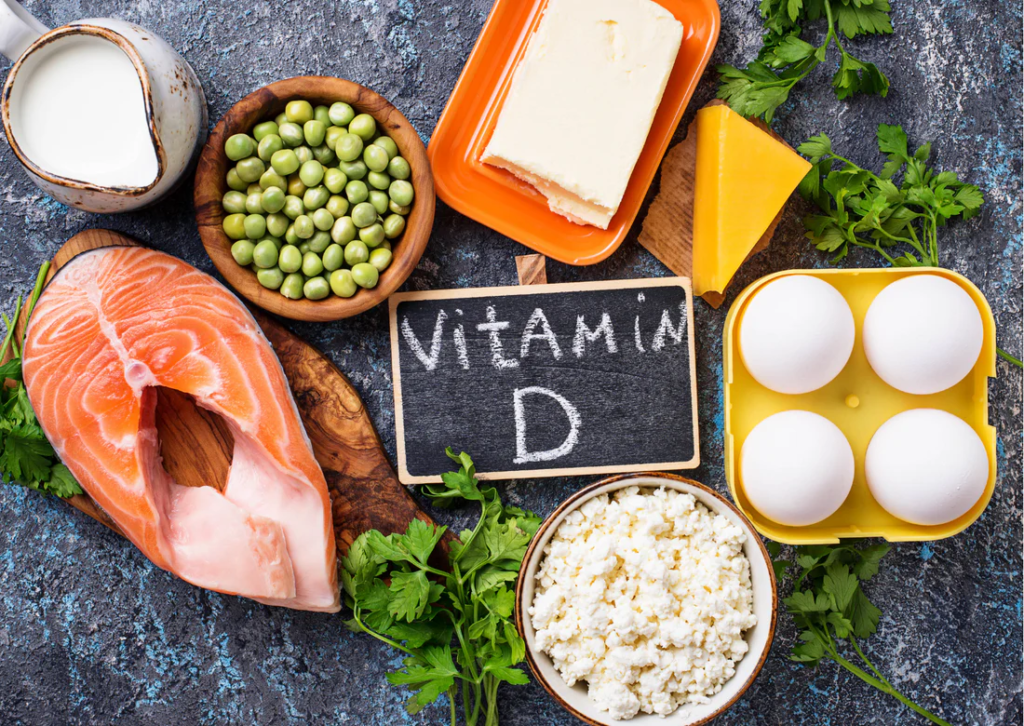
1. Sunlight
- 15–30 minutes of sunlight exposure (morning or late afternoon)
- Expose arms, face, or legs without sunscreen for short periods
2. Vitamin D-Rich Foods
- Fatty fish (salmon, tuna, mackerel)
- Egg yolk
- Fortified milk and cereals
- Cheese and butter
- Mushrooms (sun-exposed)
3. Supplements
For people with low levels, doctors may recommend Vitamin D supplements. Always take supplements only after medical advice.
Who Is at Higher Risk of Deficiency?
- People who stay indoors most of the time
- Elderly individuals
- People with darker skin
- Those following strict vegetarian or vegan diets
- Individuals with obesity or digestive disorders
How Much Vitamin D Do You Need?
Daily requirements vary by age and health condition, but generally:
- Adults: 600–800 IU per day
- Elderly: May need higher doses under medical supervision
Always consult a healthcare professional before taking high doses.
“Let the sunshine vitamin support not just your body, but your mood and energy too.”
Final Thoughts
Vitamin D is essential for strong bones, a powerful immune system, and healthy mental well-being. In today’s indoor lifestyle, deficiency is common—but also preventable. With regular sunlight exposure, a balanced diet, and proper medical guidance, you can maintain optimal Vitamin D levels and support your overall health naturally.
The information provided in this article is for educational and informational purposes only and is not intended as medical advice. Vitamin D requirements may vary based on individual health conditions, age, lifestyle, and medical history. Always consult a qualified healthcare professional or doctor before starting any supplements, making dietary changes, or relying on this information for health-related decisions. The author and publisher are not responsible for any adverse effects resulting from the use of the information presented in this blog.
#VitaminD #VitaminDHealth #SunshineVitamin #BoneHealth #StrongBones #ImmunityBoost #ImmuneSystem #MentalHealth #HealthyLifestyle #WellnessTips #VitaminDDeficiency #NaturalHealth #Anslation #Carrerbook #HealthyLiving #NutritionTips #HealthAwareness